2026 Nissan Rogue SV Fuel Tank – The 2026 Nissan Rogue SV stands out as a versatile compact SUV, blending modern design, advanced technology, and reliable performance for everyday drivers and adventure seekers alike. At the heart of its efficiency story is the fuel tank, a component that directly influences range, cost savings, and overall driving experience. With rising fuel prices and a growing emphasis on sustainability, understanding the fuel tank’s role in the Rogue SV helps buyers make informed decisions. This article dives into the details of the 2026 Nissan Rogue SV fuel tank, exploring its design, integration with the vehicle’s systems, and practical benefits, all while highlighting why it’s a smart choice in the competitive crossover market.
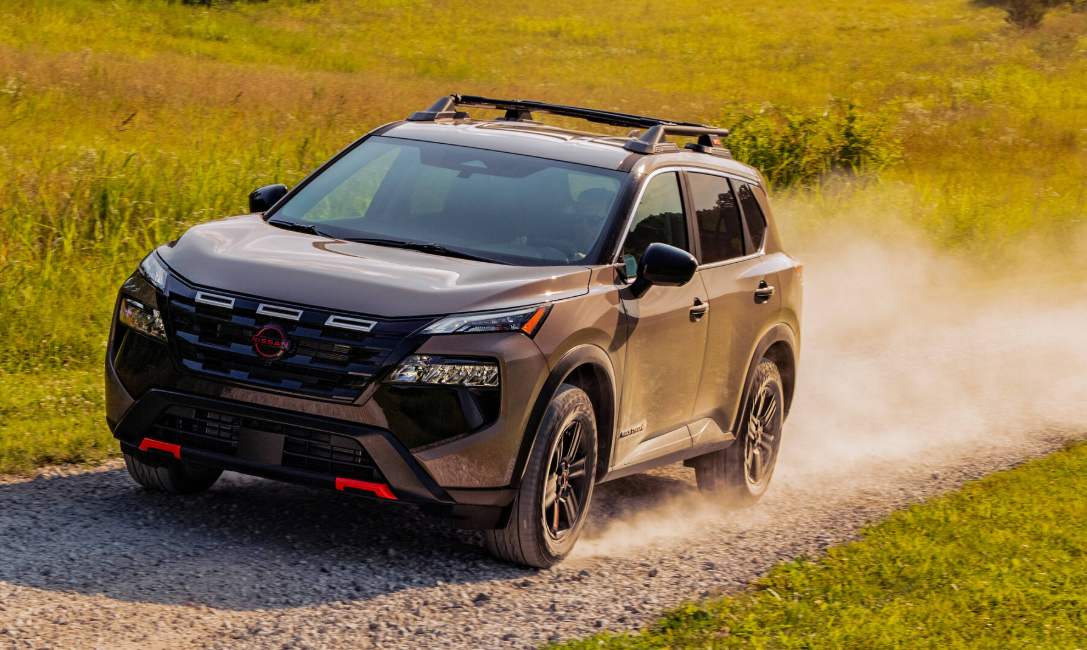
Design and Capacity of the 2026 Nissan Rogue SV Fuel Tank
The fuel tank in the 2026 Nissan Rogue SV is engineered for optimal balance between capacity, weight, and durability. It features a 14.5-gallon capacity, which is consistent across all Rogue trims, including the S, Rock Creek Edition, and Platinum models. This size strikes a practical middle ground—large enough for extended trips without frequent stops, yet compact to maintain the SUV’s agile handling.
Constructed from high-density polyethylene (HDPE) plastic, the tank offers several advantages over traditional steel alternatives:
- Lightweight construction reduces overall vehicle weight, contributing to better fuel efficiency.
- Corrosion resistance ensures longevity, even in harsh weather conditions or with exposure to road salt.
- Impact absorption enhances safety by deforming rather than rupturing in collisions.
Positioned under the rear floor for a low center of gravity, the tank integrates seamlessly with the Rogue’s chassis, maximizing interior cargo space. For example, the SV trim boasts up to 36.3 cubic feet of cargo room with the rear seats up, making it ideal for family outings or hauling gear without compromising fuel storage.
Fuel System Features and Integration
The 2026 Nissan Rogue SV pairs its fuel tank with an advanced fuel system designed for efficiency and performance. The heart of this setup is the 1.5-liter VC-Turbo three-cylinder engine, which uses gasoline direct injection (GDI) to deliver fuel precisely into the combustion chamber. This technology optimizes power output—201 horsepower and 225 lb-ft of torque—while minimizing waste.
Key features include:
- Idle Stop-Start technology: Automatically shuts off the engine during stops, like at traffic lights, to conserve fuel. It restarts seamlessly when you release the brake, ideal for urban driving.
- Continuously Variable Transmission (CVT): Works in tandem with the fuel system to maintain optimal engine RPM, enhancing smoothness and efficiency.
- Evaporative emissions control: Prevents fuel vapors from escaping, meeting strict environmental standards and reducing odors.
These elements ensure the fuel tank’s contents are used effectively, extending the time between fill-ups. For instance, if you’re commuting in stop-and-go traffic, the Idle Stop-Start can save up to 5-10% on fuel consumption, depending on conditions.
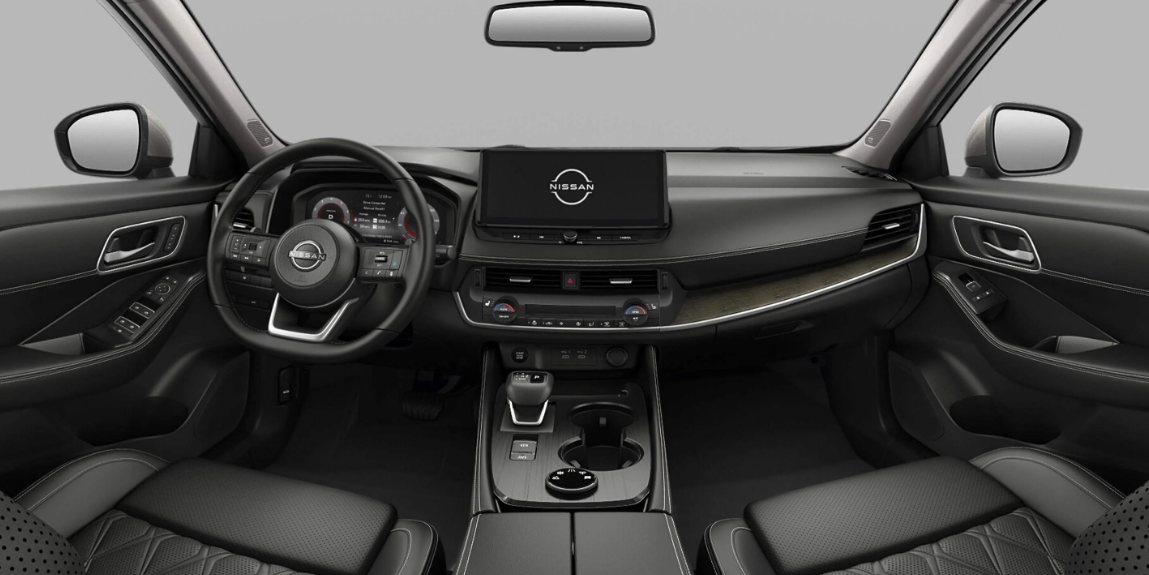
Performance, Fuel Efficiency, and Driving Range
Fuel efficiency is where the 2026 Nissan Rogue SV fuel tank truly shines, thanks to its integration with the vehicle’s aerodynamics and powertrain. The EPA estimates for the front-wheel-drive (FWD) model are 29 mpg city, 36 mpg highway, and 32 mpg combined. Opt for the available Intelligent All-Wheel Drive (AWD), and you’ll see 28 mpg city, 35 mpg highway, and 31 mpg combined.
With a full 14.5-gallon tank, this translates to impressive range:
- City driving: Approximately 420 miles (FWD) or 406 miles (AWD).
- Highway driving: Up to 522 miles (FWD) or 507 miles (AWD).
- Combined: Around 464 miles (FWD) or 449 miles (AWD).
These figures make the Rogue SV a strong contender for long road trips. Practical tip: To maximize range, maintain steady speeds on highways and use cruise control—the CVT excels in these scenarios. Real-world tests show that eco-conscious driving, like gentle acceleration, can push efficiency even higher.
Safety Considerations for the Fuel Tank
Safety is paramount in the 2026 Nissan Rogue SV, and the fuel tank plays a key role. Its plastic construction and rear underfloor placement protect it from frontal impacts, while reinforced mounting brackets add stability. The vehicle includes Nissan Safety Shield 360, with features like automatic emergency braking that indirectly safeguard the fuel system by preventing collisions.
Additional safeguards:
- Fuel cutoff switch: Automatically stops fuel flow in severe accidents to reduce fire risk.
- Vapor recovery system: Captures and recycles fuel vapors, enhancing environmental and occupant safety.
For peace of mind, the Rogue SV has earned high safety ratings in crash tests, making it a reliable choice for families.
Maintenance Tips for Longevity
Keeping the 2026 Nissan Rogue SV fuel tank in top shape is straightforward and can extend its life while maintaining efficiency. Here are some practical insights:
- Regular inspections: Check for leaks or damage during oil changes. Look under the vehicle for wet spots or unusual odors.
- Fuel quality: Use regular unleaded gasoline (87 octane) as recommended—higher octane isn’t necessary and won’t improve performance.
- Avoid overfilling: Stop pumping when the nozzle clicks off to prevent spills and strain on the evaporative system.
- Seasonal care: In cold climates, keep the tank at least half full to minimize condensation and potential freezing.
- Professional service: If the check engine light appears related to fuel (e.g., error codes P0455), have a Nissan technician inspect the tank and lines.
Tip: Use the Rogue’s digital dashboard to monitor fuel levels accurately, and plan refuels based on the estimated range display for hassle-free trips.
Comparison with Previous Models and Competitors
The 2026 Nissan Rogue SV fuel tank remains unchanged in capacity from the 2025 model (also 14.5 gallons), but benefits from refined engine tuning for slight efficiency gains. Compared to rivals:
| Competitor | Fuel Tank Capacity | EPA Combined MPG (FWD/AWD) | Estimated Combined Range |
|---|---|---|---|
| 2026 Nissan Rogue SV | 14.5 gallons | 32 / 31 | 464 / 449 miles |
| 2026 Honda CR-V | 14.0 gallons | 30 / 29 (approx.) | 420 / 406 miles |
| 2026 Toyota RAV4 (Hybrid) | 14.5 gallons | 38 / 37 (approx.) | 551 / 536 miles |
While the RAV4’s hybrid setup offers superior efficiency, the Rogue SV excels in turbocharged power and affordability, appealing to those prioritizing responsive driving over electrification.
In conclusion, the 2026 Nissan Rogue SV fuel tank is more than just a reservoir—it’s a cornerstone of the SUV’s efficiency, safety, and practicality. Whether you’re navigating city streets or embarking on weekend getaways, its thoughtful design ensures reliable performance.
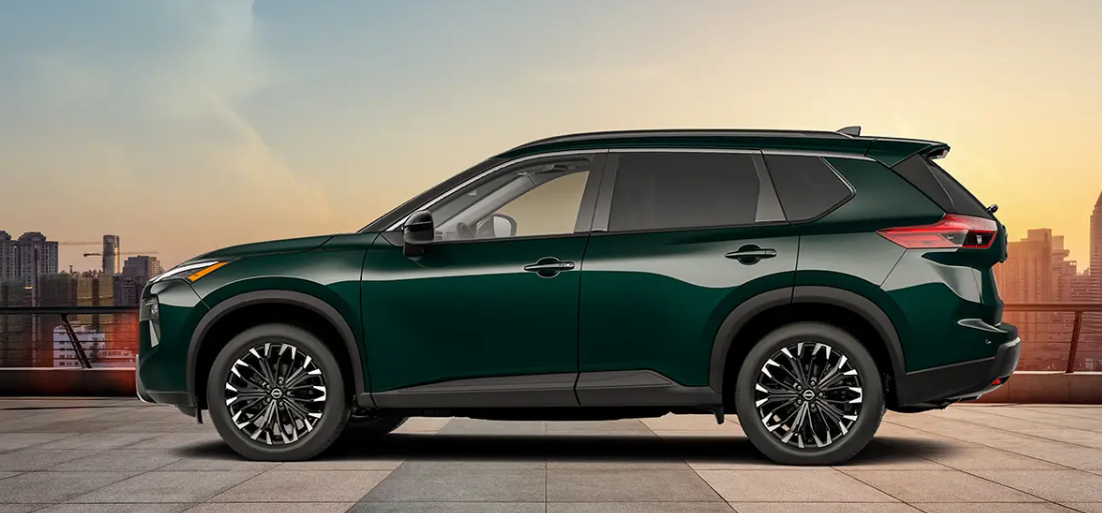
Summary and Key Points
| Key Aspect | Details |
|---|---|
| Capacity | 14.5 gallons |
| Material | High-density polyethylene (HDPE) plastic |
| Fuel Type | Regular unleaded |
| Efficiency (FWD/AWD) | 29/36/32 mpg / 28/35/31 mpg |
| Range (Combined, FWD/AWD) | 464 / 449 miles |
| Notable Features | Idle Stop-Start, direct injection, evaporative control |
| Maintenance Tip | Keep tank half full in winter to prevent condensation |
| Competitive Edge | Balanced capacity and efficiency for daily use |